
“Do you know where your meat comes from?” I asked, as we sat around our Friday evening fire. Aagh, you can fill any conversation with a glass of red wine or a beer in your hand. So it was an easy answer, apparently. We entered into the usual debate about quality of meat from Spar vs PnP, Botes vs Frankie. But, I had posed the question because I knew these guys had no idea the origin of our lamb chops. And they needed to know – Fair Game Wildlife-friendly product. The answer was highlighted three days earlier…
Good morning
Three days before.
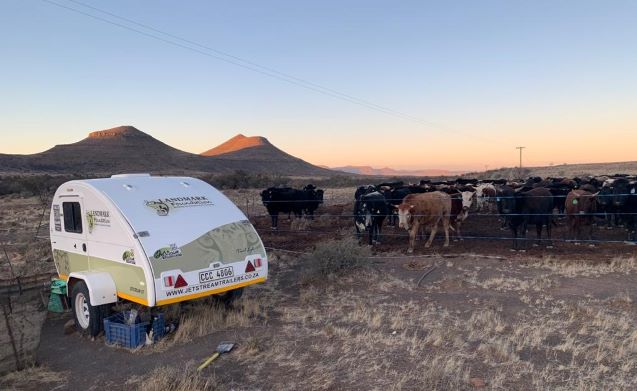
I stepped out of the one-man caravan into the bitingly cold, crystal clear morning in search of a cup of coffee, among my fellow shepherds. My colleagues are the real deal, while I am just the excited shepherd-hack. It is a routine morning of tendering livestock, for them, but as for me, it’s a breath of fresh air.
I am on a short trip to see the source of the Fair Game Wildlife-friendly products. We are located just outside Riversdale, in the heart of the Karoo. Why did I embark on such a trip you may ask? I tagged along on this trip, when a colleague, who has been appointed to the position of sales co-ordinator/marketer for Fair Game products, wanted to understand how the process worked. As a good marketing colleague with little experience in conservation or ecology, I followed, as I need to understand the products which we promote. Also, my friends, who I now sit with around the braai, need to know.
Wide open spaces
I took a moment to inhale the scenery, while sipping a mug of black coffee. The sun is tapping the tops of the Karoo hills, and the light begins to expose the stark landscape of the heart of the Karoo. The murmurs of the livestock join the morning song. This is beautiful. It is glaringly apparent that, my urban existence has bereft me of appreciating the wide open spaces of the country. I think there is just too much egotistical focus in an urban world, which occupies our existence. Everyday we make small lifestyle choices, and it is moments like these that highlight our eroded priorities.
I shake myself from philosophy at the sound of familiar voices. Today, I must focus on Fair Game as this is why we are here. I remind myself that this is the place where Fair Game 1/2 lamb boxes originate. The braai chops, leg of lamb, shoulder, lamb shanks and all the extras, which fill my 1/2 lamb box, are all included. I must learn more.
Fair Game farming vision
The sale of farm fresh lamb, by Fair Game is a compelling story. Fair Game farm are based in the Karoo. They are a community of farms trying to build a conservancy for the protection of the broader ecosystem. It is a movement that could benefit all farmers in this region. In order to participate in the Landmark Foundation project, the Karoo farms practice ecologically-friendly and conservation methods, which contribute to the biodiversity of the region. The farm which we are visiting is in the heart of his region. I know that many people don’t read, so here are my key points:
- Firstly, the commitment to ecologically-friendly farming methods means that there is an appreciation for the geographical location of the farm, and the influences on the farming which result.
- Secondly, there is understanding that a commitment to this process, results in a better ecosystem in the region.
- Thirdly, the sale of Fair Game Wildlife-friendly products is a contribution to the stability of the ecosystem.
Some observations
Learning about this farming method, I found very interesting. My first observation was the appreciation by farmers of the co-existence of predators and livestock in the same environment, which subverts the mainstream view of livestock farming. The second observation is a process of allowing nature to dictate the natural movement of pastoral animals across the land, and basing the rotation of grazing areas on this natural movement. The third observation is the restorative effect that nature allows, when following this farming practice. Through my observations, I am reminded of the cycles of nature and life, which we often overlook.
The results of this farming practice is Fair Game Wildlife-friendly products. Our sizzling farm-fresh lamb chops, from our Friday night braai, are contributing to the balance of the eco-system, while providing a commercial reward to the farmers.
It is just a few hours into this visit, and already, the vision of Bool Smuts appears to be common sense. I am invested!
Benefits (beyond your imagination) of Fair Game products
I remember from my retail sales experiences, that product features, describe what the product is. The product advantages describe what the product does, but it’s the benefits which sell the product. So, what does Fair Game Wildlife products do for me, to make me leave my traditional place of meat purchasing and to embark on a new source of meat. Let me tell you:
- In their natural environment , sheep reared with little human interference, are going to be healthier.
- Livestock which eat from natural pastures, where they able to gather the most nutrition, are going to taste better.
- The sheep, which are reared in robust conditions are naturally stronger, and therefore taste good.
If we had these natural farming methods to our commercial reasons like: delivery to Cape Town, competitive pricing, and our awareness of healthy living, we cannot avoid the attractiveness of receiving lamb straight from the farm.
Order now
I leave you at this part of the journey. There is plenty more information to share which, I am sure will take place in the future. Please take a moment to fill out the contact form, and leave us a message if you require further assistance or details of orders. We encourage you to become a regular purchaser of Fair Game lamb, both for your own benefit, and for that of the farmers.
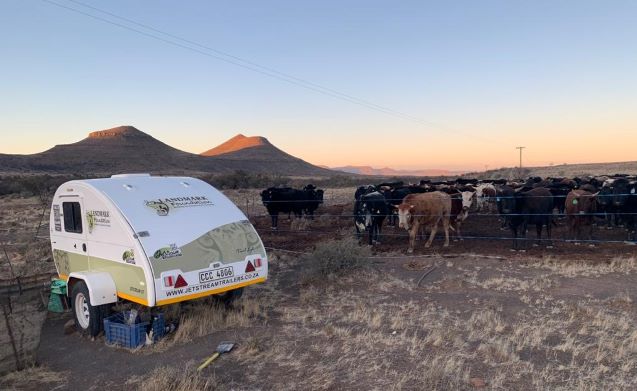
Sleeping quarters 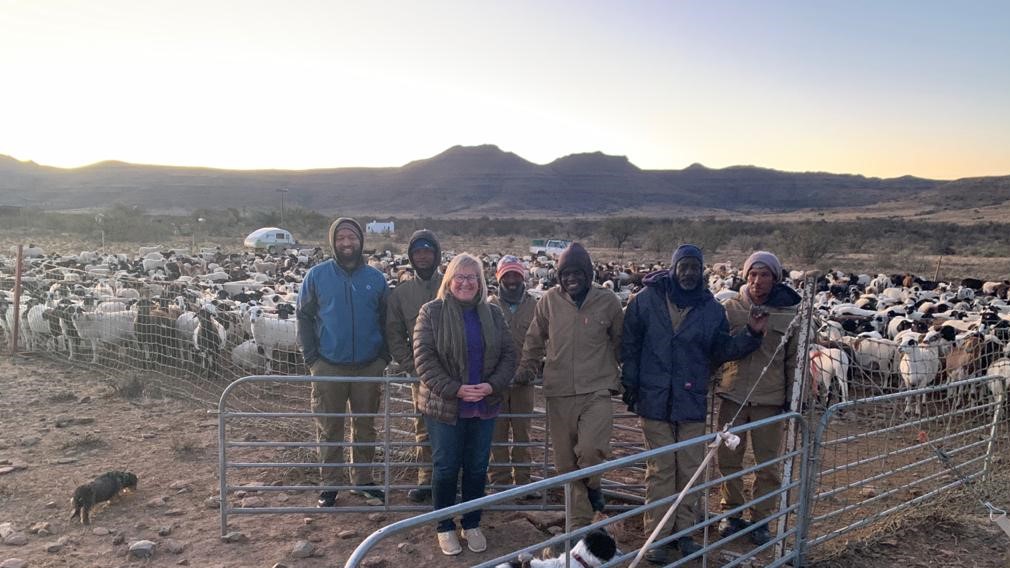
Inspecting the farm 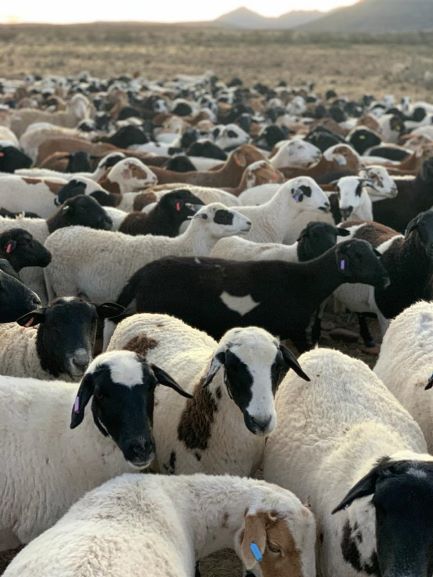
Fair Game sheep 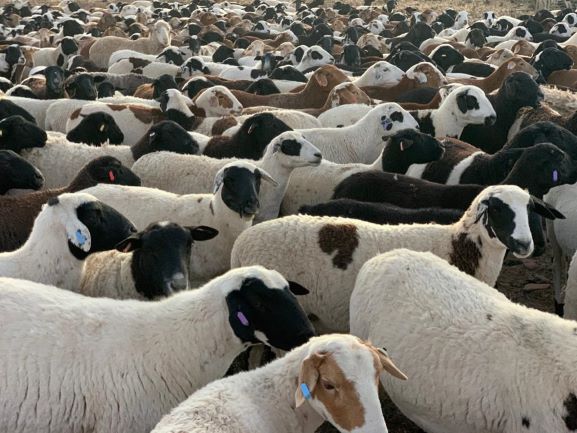
Fair game sheep 
Shepherds at dusk 
Karoo cattle farming
